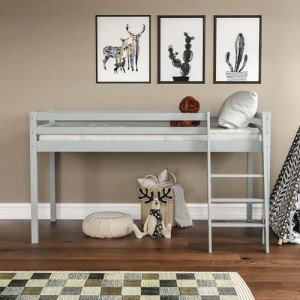
The Ultimate Guide to Bunk Beds for Children: Safety, Styles, and Benefits
When it concerns styling a child's space, parents frequently face the dual obstacle of maximizing space while making sure comfort and performance. Bunk beds have actually emerged as a popular service that resolves these requirements, providing not just sleeping plans but also adding to a room's aesthetic. In Sale On Bunk Beds , we will delve into different aspects of kids's bunk beds, focusing on their benefits, security functions, styles, and factors to consider for moms and dads pondering this purchase.
Tabulation
- Benefits of Bunk Beds
- Safety Features to Consider
- Types of Bunk Beds
- Style and Style Options
- Upkeep Tips
- Often Asked Questions (FAQs)
1. Advantages of Bunk Beds
Bunk beds provide many advantages for kids and their parents. Here are some crucial advantages:
- Space-Efficiency: Bunk beds are an excellent service for smaller rooms. By stacking one bed on top of another, more floor space is offered for play, storage, or research study areas.
- Cost-Effective: When children share rooms, bunk beds can minimize the need for buying 2 separate beds, therefore saving cash.
- Cultivates Social Interaction: Bunk beds can assist siblings or pals bond by sharing a space, producing chances for social advancement.
- Enjoyable Factor: The principle of sleeping "up high" adds a playful aspect to bedtime, making the transition to sleeping alone simpler for some kids.
- Versatile Design: Bunk beds are available in different designs, colors, and develops to match any space style, enabling personalization that shows the child's character.
2. Security Features to Consider
Security is paramount when it concerns kids's furnishings, particularly in the case of bunk beds. Here are some important security functions to evaluate:
| Safety Feature | Description |
|---|---|
| Sturdy Construction | Frames made from strong wood or metal are chosen. |
| Guardrails | Ought to be at least 5 inches high and extend along both sides of the upper bunk. |
| Ladder Design | Guarantee ladders are securely connected and have non-slip steps. |
| Mattress Size & & Fit | Should fit comfortably within the frame to prevent spaces. |
| Weight Limit | Always comply with the manufacturer's weight limit suggestions. |
3. Kinds Of Bunk Beds
Bunk beds are available in a number of styles, accommodating various needs, preferences, and space sizes. Here are some common types:
- Standard Bunk Bed: The a lot of basic type, with one bed on top of another.
- Loft Bed: Features a high upper bed with space below for a desk or play area.
- Futon Bunk Bed: Combines a top bunk with a futon on the bottom, providing versatility for seating and sleeping.
- L-Shaped Bunk Bed: This style has the leading bunk set at a perpendicular angle to the bottom, producing a small corner location.
- Triple Bunk Bed: Accommodates three children utilizing stacked beds, ideal for large households or pajama parties.
4. Style and Style Options
When it comes to selecting a design for children's bunk beds, the choices are virtually unlimited. Here are some popular designs:
- Traditional Style: Often made of wood, these bunk beds feature ornate details and are best for timeless or rustic-themed rooms.
- Modern Style: Characterized by clean lines and minimalist styles, modern bunk beds can be made from metal or wood.
- Themed Bunk Beds: Some brands offer bunk beds formed like castles, cars, or play houses, making bedtime less of a task.
- Convertible Bunk Beds: These can be separated into 2 individual beds, providing versatility as children grow.
- Colorful Options: Bunk beds in dynamic colors can add a sense of pleasure and playfulness to any space.
5. Maintenance Tips
Preserving a bunk bed is vital for longevity and safety. Here are some suggestions:
- Regular Inspections: Check for loose screws or bolts every couple of months and tighten them as required.
- Cleaning: Wipe down frames routinely to avoid dust build-up; think about utilizing a vacuum for hard-to-reach locations.
- Bed mattress Care: Rotate bed mattress regularly and use protective covers to lengthen their life.
- See for Wear and Tear: Look for any signs of damage in the wood or metal and think about changing parts if required.
- Teach Kids Safety Rules: Encourage children to use ladders properly and guarantee they understand the safety functions of their bed.
6. Regularly Asked Questions (FAQs)
Q1: What age is suitable for oversleeping a leading bunk?
A1: Typically, children aged 6 and older are advised for upper bunk sleeping, as they have the needed motor abilities to climb safely.
Q2: Do bunk beds feature a bed mattress?
A2: Most bunk beds are sold as frames just, so you will need to purchase bed mattress independently. Guarantee that the bed mattress fits the frame snugly.
Q3: Can bunk beds be separated later?
A3: Many styles enable conversion into two private beds, providing versatility for future needs.
Q4: How can I ensure my kid's safety on a bunk bed?
A4: Comply with safety requirements and ensure guardrails, a sturdy frame, and a secured ladder are in place.
Q5: Are there weight limitations on bunk beds?
A5: Yes, constantly check the producer's requirements relating to weight limitations to guarantee security.
Bunk beds for children can serve numerous functions while guaranteeing security and design. With diverse styles and models readily available on the marketplace, parents can find a system that not just maximizes bed room space but likewise shows their kid's distinct tastes. As with any furnishings, understanding safety functions, maintenance, and how they suit a child's way of life will make sure that these beds remain a practical furnishings solution for years to come.
Through cautious consideration and adherence to security standards, bunk beds can provide a long-lasting, fun, and practical sleeping option that kids enjoy.